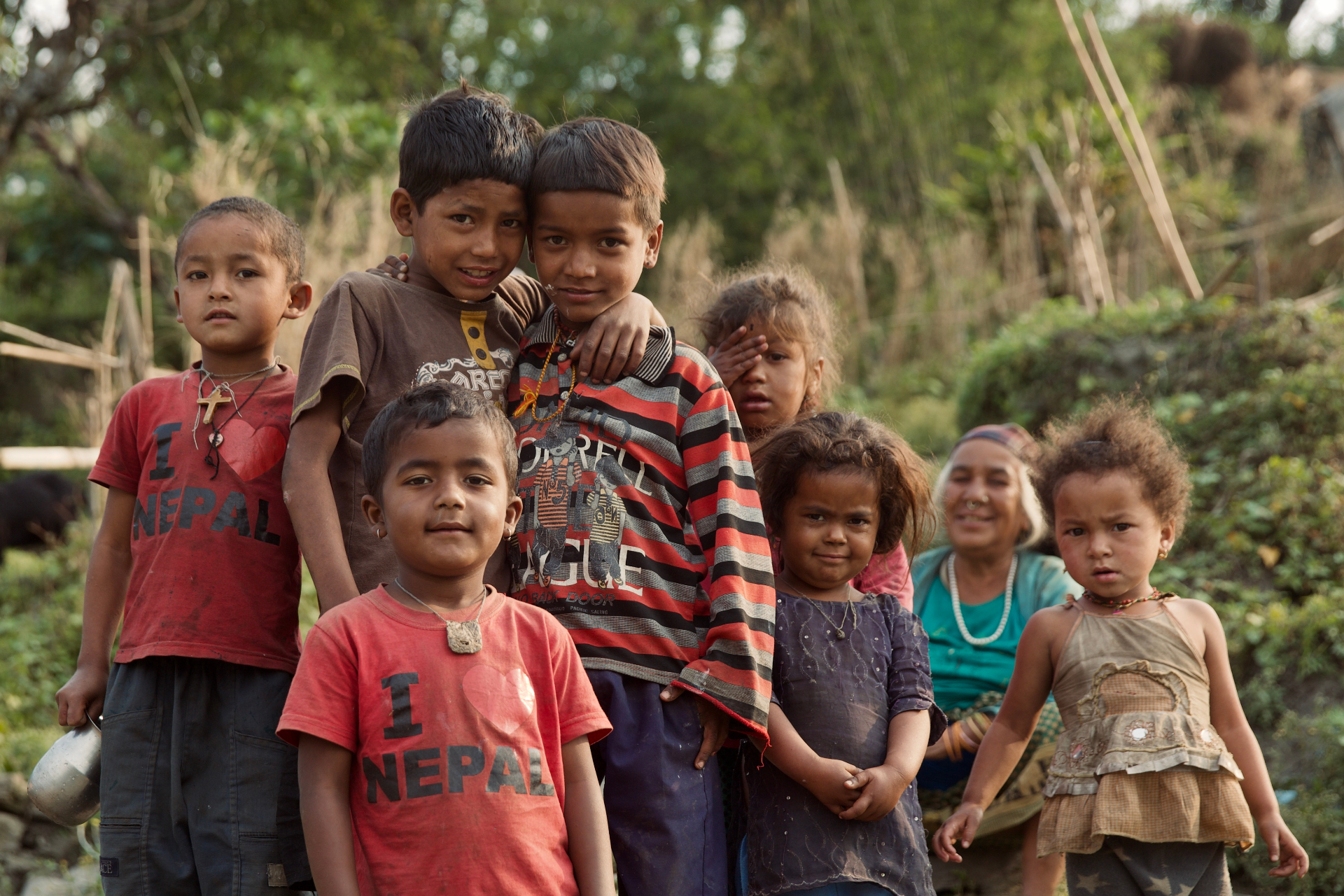
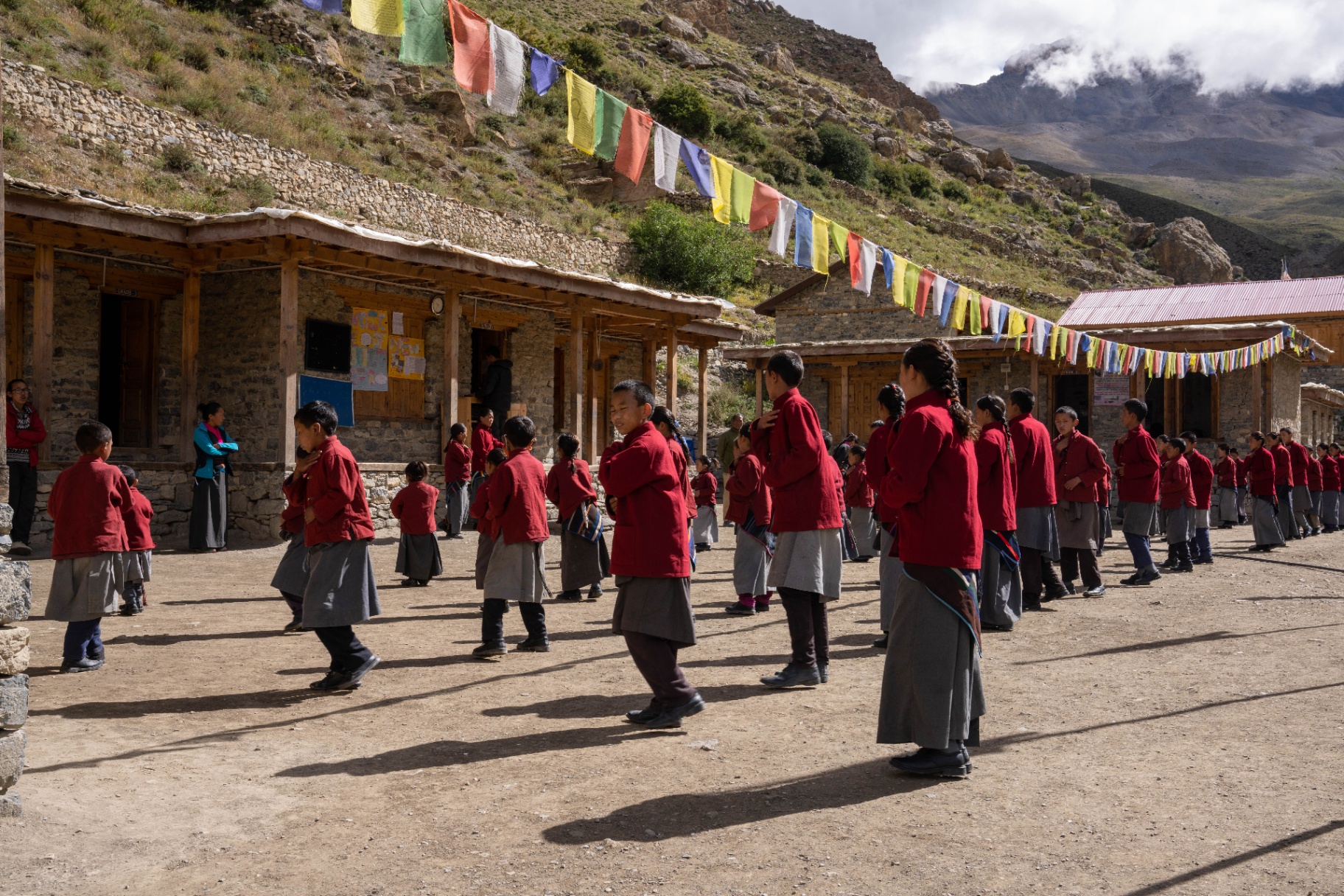
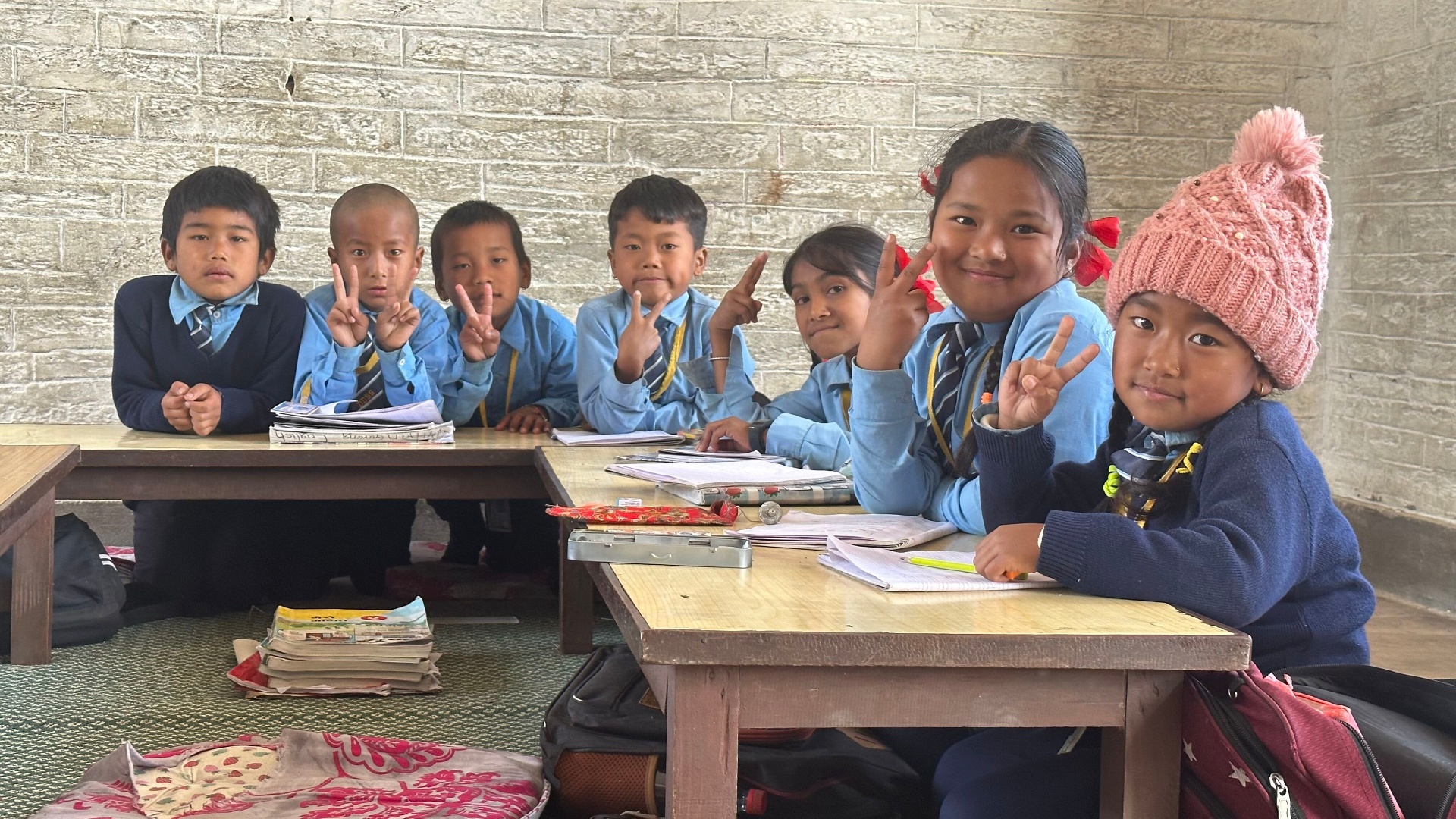
Children in a rural Nepali villageStudents gathered in a Himalayan school courtyard with prayer flagsSmiling schoolchildren at their desks in a Nepali classroom
NAMASTE, Welcome to Nepal House

Girls Education. Mental Health and Trauma Counselling. Community Outreach to Schools and Orphanages.

For 15 years, Nepal House Society has provided free therapeutic schooling, meals and provided girls and their families with parenting and support groups.

What we provide

More Than Just a School.

With your generous support, Nepal House Society provides four pillars of care for girls and families in Pokhara — at no cost to them, ever.

Safety

An estimated 10,000–15,000 Nepalese girls are trafficked across the border each year. We give the girls at Nepal House School — and their families — a free, protected path away from that risk.

Education

Since 2011 we've educated about 25 girls a year who would otherwise be left off school rosters. With 65+ graduates and counting, we keep funding tuition, uniforms, and shoes as they move on to regular school.

Mental Health Support

Culturally sensitive play, expressive arts, and talk therapy from trained Nepalese counsellors — helping children process trauma, grief, depression, and anxiety in one of the few therapeutic spaces in the region.

Healthy Parenting

Free medical care, healthy meals, hygiene education, parent courses, support groups for mothers and fathers, and one-on-one counselling — so whole families can heal together.

0+

Years on the Ground

0+

Graduates Transformed & Mainstreamed

0%

Free to Families

Our Story

Rooted in Pokhara. Built for the long road.

Nepal House (Kaski) is a non-profit community social services agency in Pokhara, Nepal — a city nestled in the foothills of the Annapurna mountains. For over fifteen years, we have run a children's school and counselling centre, and provided parent education, training, resources, and community support.

Nepal is among the poorest and least developed countries in the world. The girls who come to us have often been left out of the formal school system entirely. Nepal House Society (Canada) raises funds for operating costs, supports our local Nepalese staff, and sends teachers and therapists to volunteer on the ground.

Every gift is a vote of confidence in girls the rest of the system has overlooked.

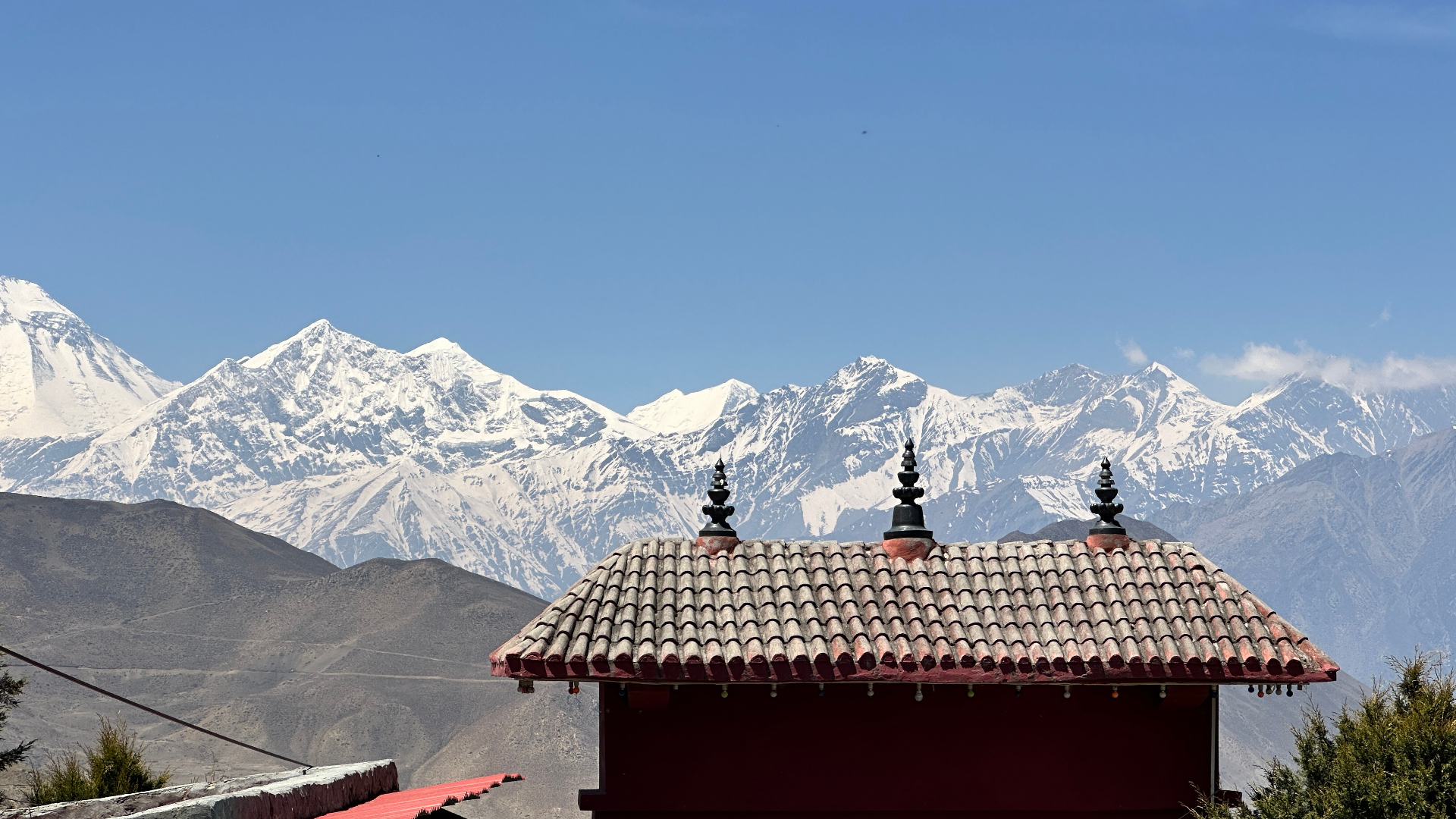
Tilicho Lake with snow-capped Annapurna mountains in Nepal

Our philosophy

We believe in autonomy.

From the beginning, we refused the model where funders overseas dictate how the work gets done. Our team in Nepal practices in a way that is culturally relevant, sets their own fair wages, requests the training and resources they need, and governs themselves day to day.

In Nepal

Nepal House Kaski staff make all day-to-day decisions about how the school, counselling, and community work is run.

In Canada

Nepal House Society raises operating funds, sends volunteer teachers and therapists, and provides free clinical supervision.

Pokhara, Nepal

Where we work, and why it matters.

Pokhara is the tourism capital of Nepal — nestled in the foothills of the Annapurna mountains, home to three of the ten highest peaks in the world. Beyond the postcard, it is also home to one of the world's poorest and least developed countries.

Nepal House supports the at-risk children who would otherwise never set foot in a classroom.

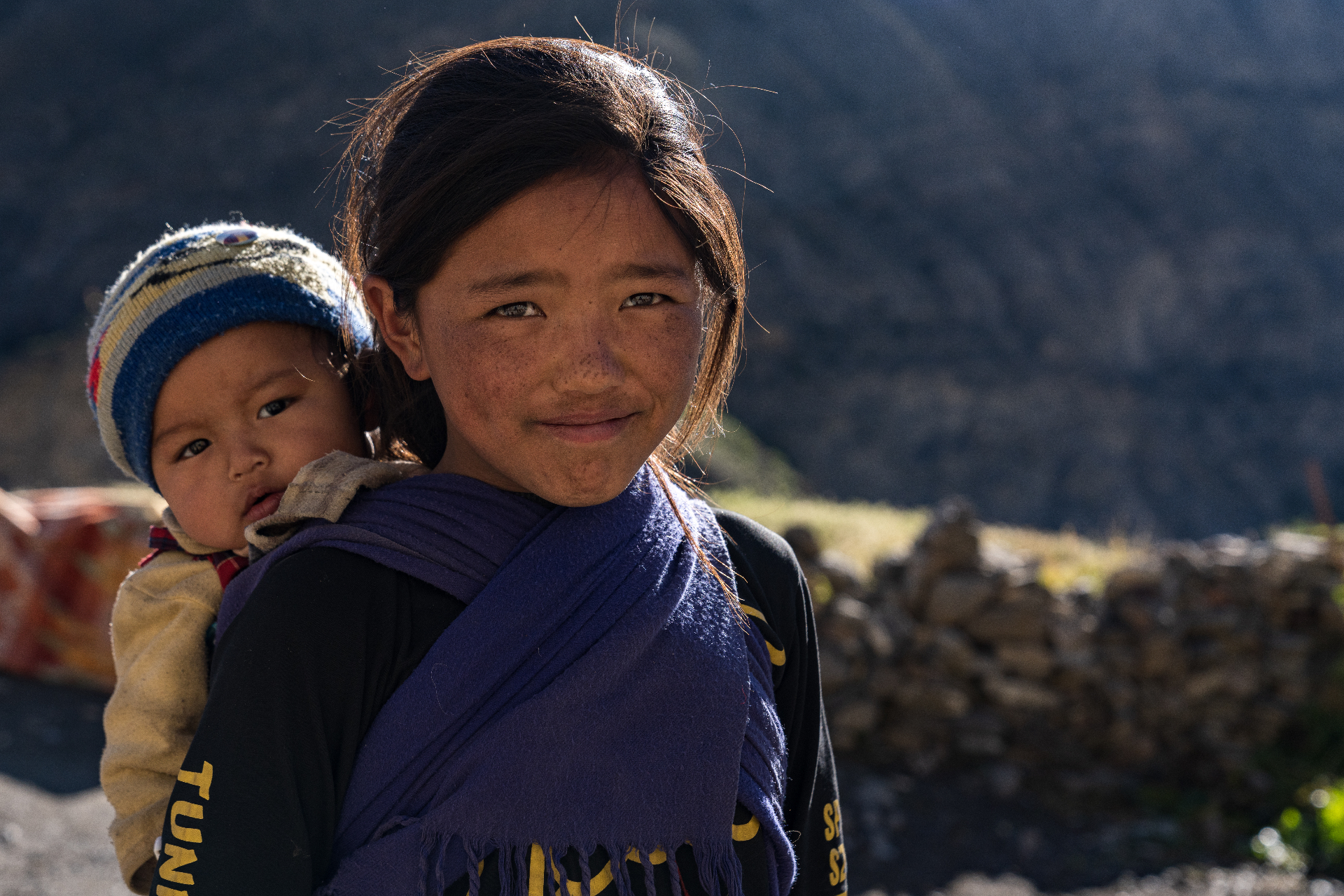
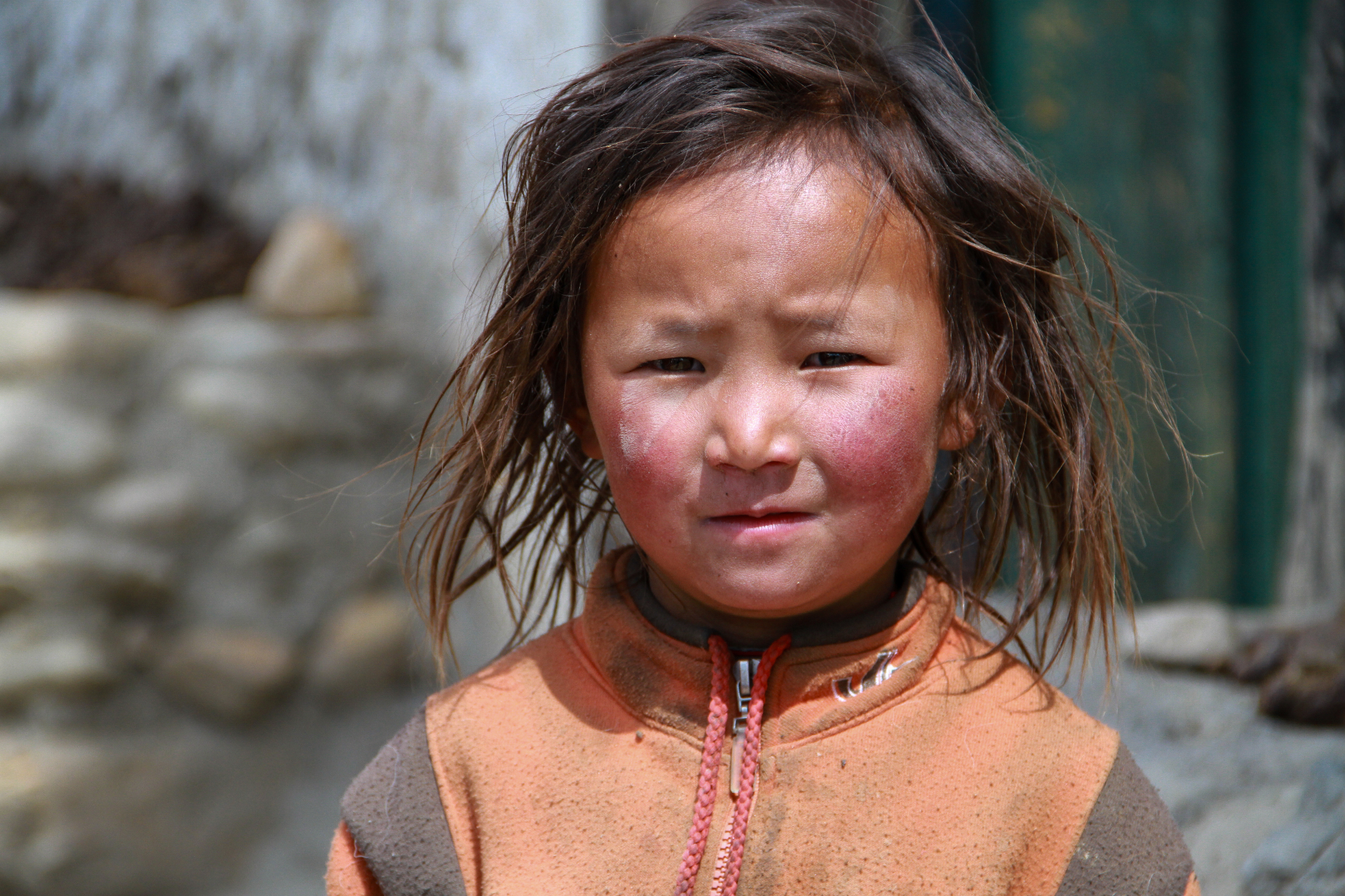
Portrait of a young girl in rural Nepal

The children we serve

01 · The context

Nepal is amongst the poorest and least developed countries in the world.

It is a country riddled by poverty, natural disasters, political unrest, family trauma, high rates of abuse and a lack of community resources.

Many young children live on the streets and are at risk of trafficking due to these issues. Nepal House supports at-risk children who don't have the opportunity to go to school.
02 · Inside Nepal House

Children receive education, uniforms, meals and therapy.

Our therapists use a combination of traditional healing practices such as 'mindful sound' and breath meditation, along with evidence based western approaches such as play, art and trauma focused therapy to effect change.

Our therapists provide a safe haven and hope for healing for those they work with.

03 · Family & community

Parents' programs for families dealing with poverty, abuse and inequality.

This includes employment strategies for parents, nutrition, education about child safety (emotional and physical), safe housing and access to other community supports.

NHK staff also provide staff training and support at local orphanages. All this is offered free of charge to those who need it.

Our clinical approach

Two traditions. One safe haven.

Our therapists combine traditional Nepali healing practices — like mindful sound and breath meditation — with evidence-based Western approaches such as play, art, and trauma-focused therapy. The result is care that is both clinically rigorous and culturally rooted.

Mindful sound & breath

Traditional Nepalese healing practices that ground children in their bodies and cultural roots.

Play & art therapy

Evidence-based modalities that let children express what words can't yet hold.

Trauma-focused care

Western clinical frameworks adapted for systemic, intergenerational trauma.

Clinical supervision

Every NHK counsellor receives ongoing supervision from Canadian therapists at no cost.

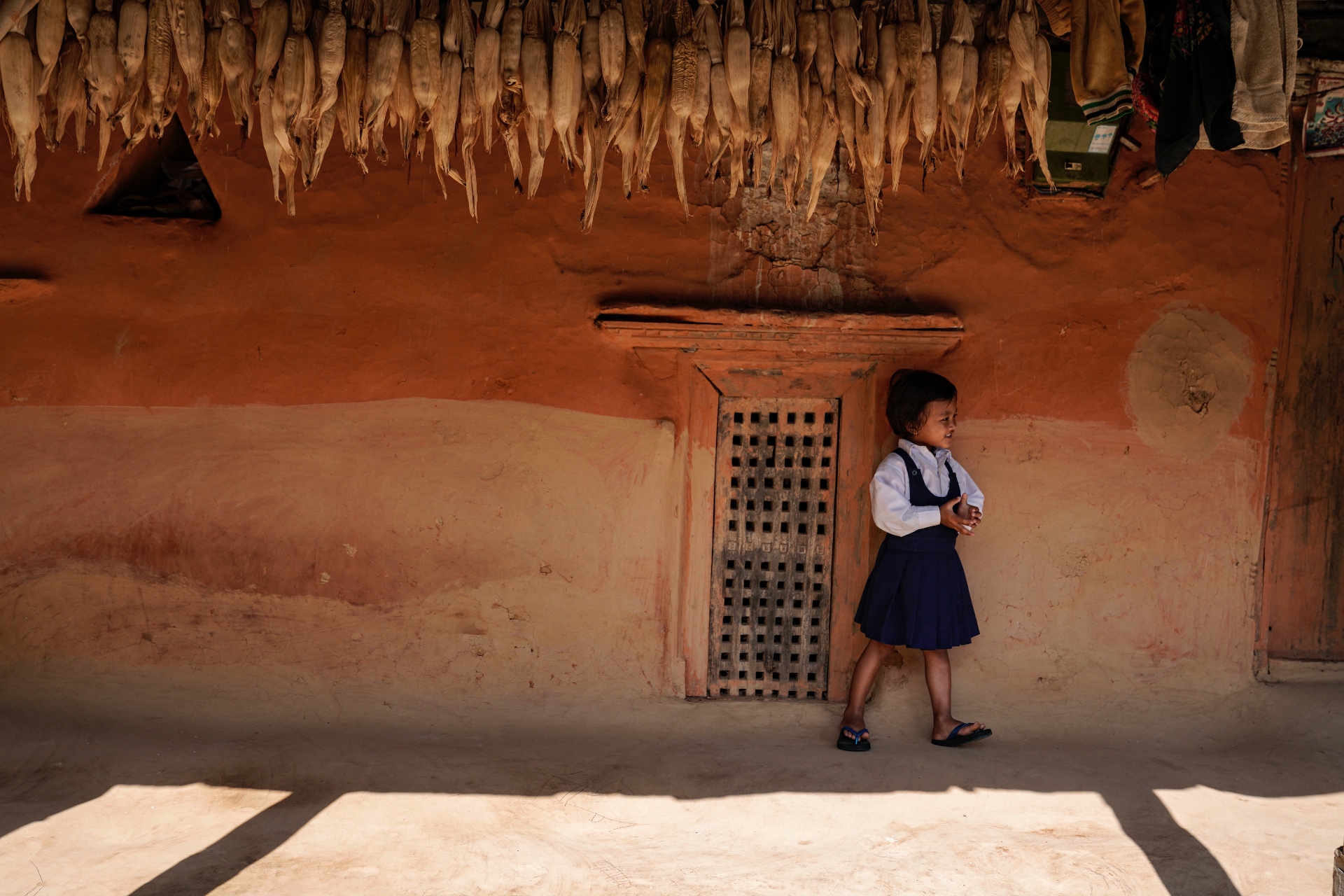
A young girl in school uniform outside a traditional Nepali home

Free of charge

Education, uniforms, meals, and therapy. Always — no family ever pays a rupee.

Meet the team in Nepal

A close-knit team of trained counsellors, teachers and caregivers.

The staff at Nepal House are highly experienced, professional counsellors and teachers with post-secondary training across health, education, sociology, rural development and the Montessori approach. They are passionate about supporting children, youth, families and the local community — with mental health, education, and emotional literacy at the heart of their work.

The Nepal House Kaski team standing together in Pokhara
BS

Basanta Subedi

Counsellor, Director & Co-Founder

15 years with NHK

BP

Bina Pun

Counsellor

15 years with NHK

GM

Guna Maya Gurung

Counsellor

5 years with NHK

BK

Buddhi Kumari Gurung

Teacher

12 years with NHK

SL

Sarita Lamichhane

Teacher

12 years with NHK

DK

Deepa Karki

Teacher

12 years with NHK

AP

Ambika Poudel

Chef & Office Assistant

8 years with NHK

DS

Dharmen Singh

Liaison (NHK & NHS)

8 years with NHK

Parents & community

Healing the home, not just the child.

Lasting change requires the family. We run programs for parents navigating poverty, abuse, and inequality — and we train staff at local orphanages and rescue centres so safer environments exist long after a child leaves our doors.

  • Employment strategies for parents
  • Nutrition education and food security
  • Child safety — emotional and physical
  • Safe housing guidance
  • Access to broader community supports
  • Staff training at local orphanages

Where your money goes

Every dollar funds care, healing, and education.

Nepal House Society is run almost entirely by volunteers in Canada, so the money you give goes directly to the children, families and community we serve in Pokhara.

Education

Teacher salaries, classroom materials, school uniforms, and learning supplies for every girl in our school.

Daily meals

Hot, nourishing breakfasts, lunches, and snacks served every school day — never a child sent home hungry.

Therapy & medical care

Counsellor salaries, play and art therapy supplies, and regular medical, dental and eye checkups.

Parent programs

Workshops on parenting, child safety, nutrition, and employment strategies for families in need.

Facility & operations

Rent, utilities, and maintenance for the school and counselling centre in Pokhara.

Staff training

Ongoing professional development and free clinical supervision from Canadian therapists.

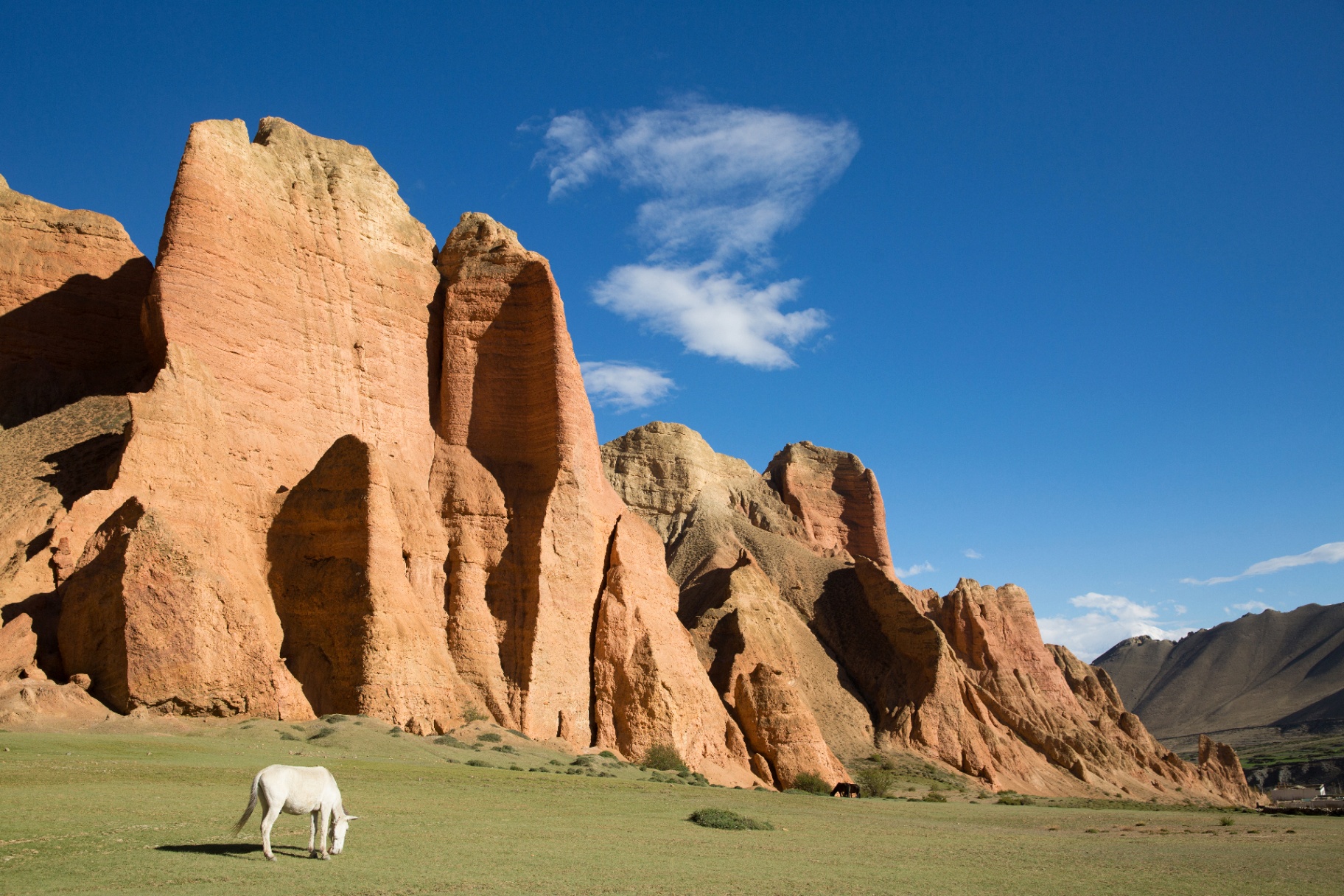
A white horse grazing below the red sandstone cliffs of Upper Mustang, Nepal

Our history

A journey from Canada to Pokhara.

Two decades of small, deliberate steps — from one therapist's visit to a therapeutic school, an earthquake response, and a dream of Nepal's first mental health centre.

  1. 2005

    A chance invitation

    Canadian children's therapist Ashwin Sharma is invited to work with children at an orphanage near Pokhara. His Nepali colleagues Basanta Subedi and Shiva Thipa become the first in Nepal trained to run a play therapy room.

  2. 2011

    A school for girls

    With seed funding from a 14-year-old American boy, Nepal House Kaski opens its Therapeutic School for Girls — one kindergarten class of twelve. It has since grown into a respected multi-year school.

  3. 2013

    Reaching incarcerated boys

    NHK begins supporting incarcerated boys, some as young as ten, imprisoned for crimes often rooted in poverty and untreated mental illness.

  4. 2015

    Earthquake response

    After the devastating Nepal earthquake, NHS mobilizes funds for water, food and shelter — and rebuilds a village of twenty-six homes in the District of Gorkha.

  5. 2018

    Care for adults

    Counsellors begin extending support to parents of NHK students and any other adults in the community who need help.

  6. 2020

    Pandemic lifeline

    During COVID-19 lockdowns, with day-labour families unable to earn or buy food, NHS twice distributes rice, lentils, oil, tea and sugar to keep families fed.

  7. 2020

    First Hike for Healing

    NHS hosts its first international Hike for Healing, raising $42,000 — enough to raise the salaries of NHK staff.

  8. 2023

    Fifteen years of service

    NHS and NHK commemorate fifteen years of service to the children and families of Nepal.

  9. Next

    Nepal's first mental health centre

    We are dreaming big — fundraising to one day build Nepal's first dedicated mental health care centre.

One girl. One classroom. One future rewritten.

Your gift today funds the uniforms, meals, and therapy a girl in Pokhara needs to walk into school tomorrow morning.

Join our newsletter

Stories, updates, and ways to help — delivered to your inbox.

FAQ

Questions, answered.